



Endometriosis and Uterine Fibroids: Advancing Care in a Changing Landscape
4 Episodes – January to April 2026

Uterine fibroids and endometriosis are the most common benign gynecological diseases; however, their diagnostic and therapeutic protocols are still widely debated. Patients with uterine fibroids present with a wide range of symptoms depending on the size and location of the lesions; therefore, ultrasound and MRI play a major role in the diagnostic strategy. Abnormal uterine bleeding is the most frequent symptom that prompts patients to seek medical attention and requires treatment.
Surgery has long been considered the primary therapeutic option, but it is associated with multiple complications and a significant risk of recurrence. Consequently, new medical treatments, such as oral GnRH antagonists including linzagolix, are now available. These therapies are proposed not only to control symptoms but also to reduce fibroid volume, either in the context of fertility preservation or as a bridge to menopause.
Endometriosis is a highly painful condition characterized by dysmenorrhea, chronic pelvic pain, and often infertility. Diagnosis is challenging because ectopic endometrial lesions are frequently too small to be clearly identified by ultrasound or MRI, although advances in imaging technologies are improving detection. These diagnostic limitations also contribute to the high rate of surgical failure reported in endometriosis.
The use of linzagolix offers the possibility of suppressing ovarian hormone secretion and reducing pain, even over long periods when combined with appropriate add-back therapy.
New paradigms for the management of uterine fibroid patients
January 20th, 2026
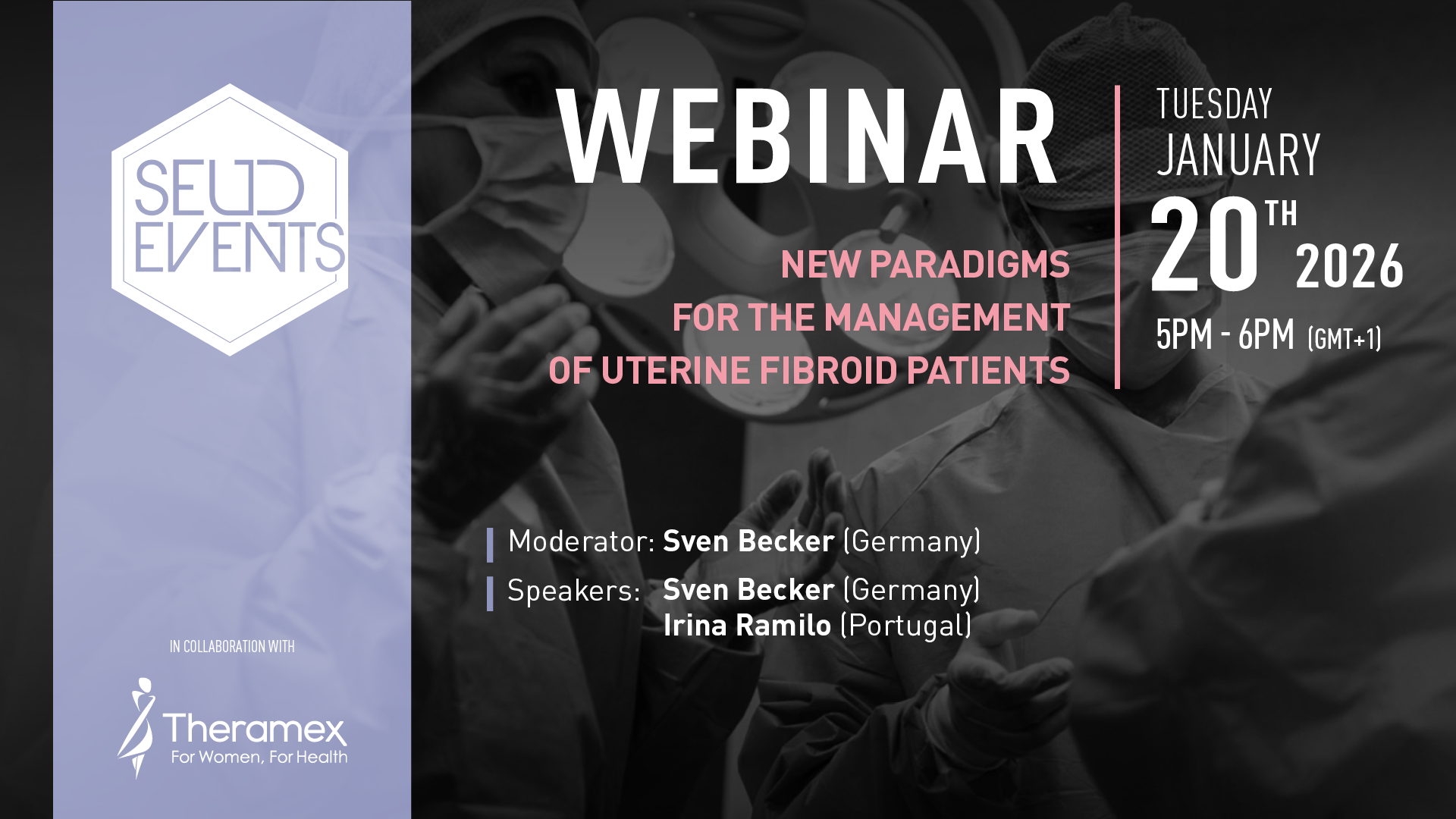
Kick off this first episode with a fresh look at the evolving paradigms in the management of uterine fibroids. Prof. Sven Becker (Germany) unveils the modern diagnostic flow chart, followed by Dr. Irina Ramilo (Portugal), who highlights the key principles of effective and tailored patient counselling.
A concise, insightful session designed to elevate clinical practice and improve patient pathways.
The new opportunities for uterine fibroid care
February 18th, 2026
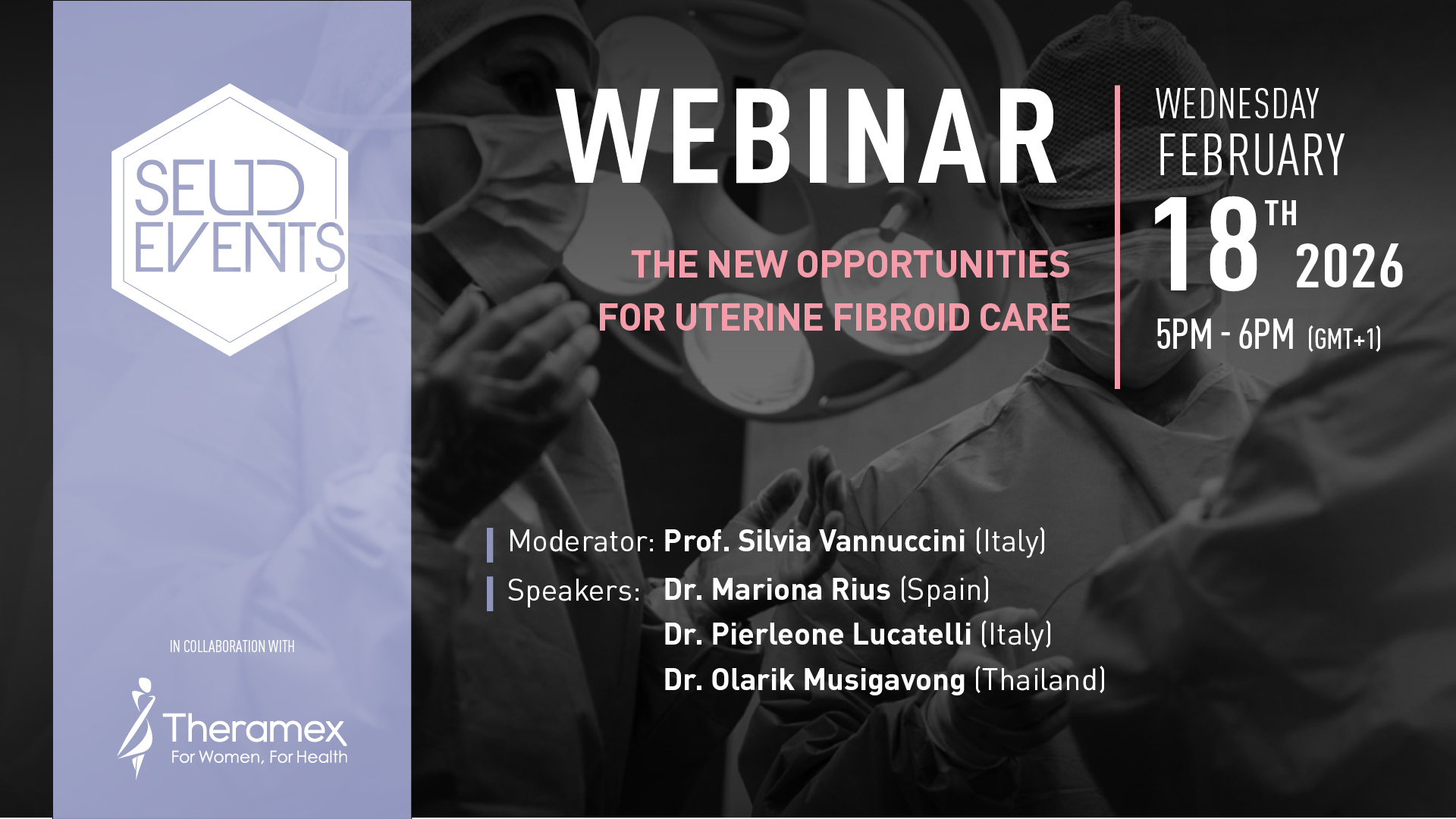
This webinar will explore the evolving landscape of uterine fibroid management, highlighting recent advances that are transforming clinical practice. We will discuss novel medical therapies, including oral GnRH antagonists such as linzagolix, and review minimally invasive radiological options such as High-Intensity Focused Ultrasound (HIFU) and Microwave Ablation.
Through a multidisciplinary perspective, the webinar aims to provide clinicians with up-to-date insights into personalized, fertility-sparing, and patient-centered treatment strategies for women with uterine fibroids.
Endometriosis: The diagnostic plan for endometriosis
March 16th, 2026
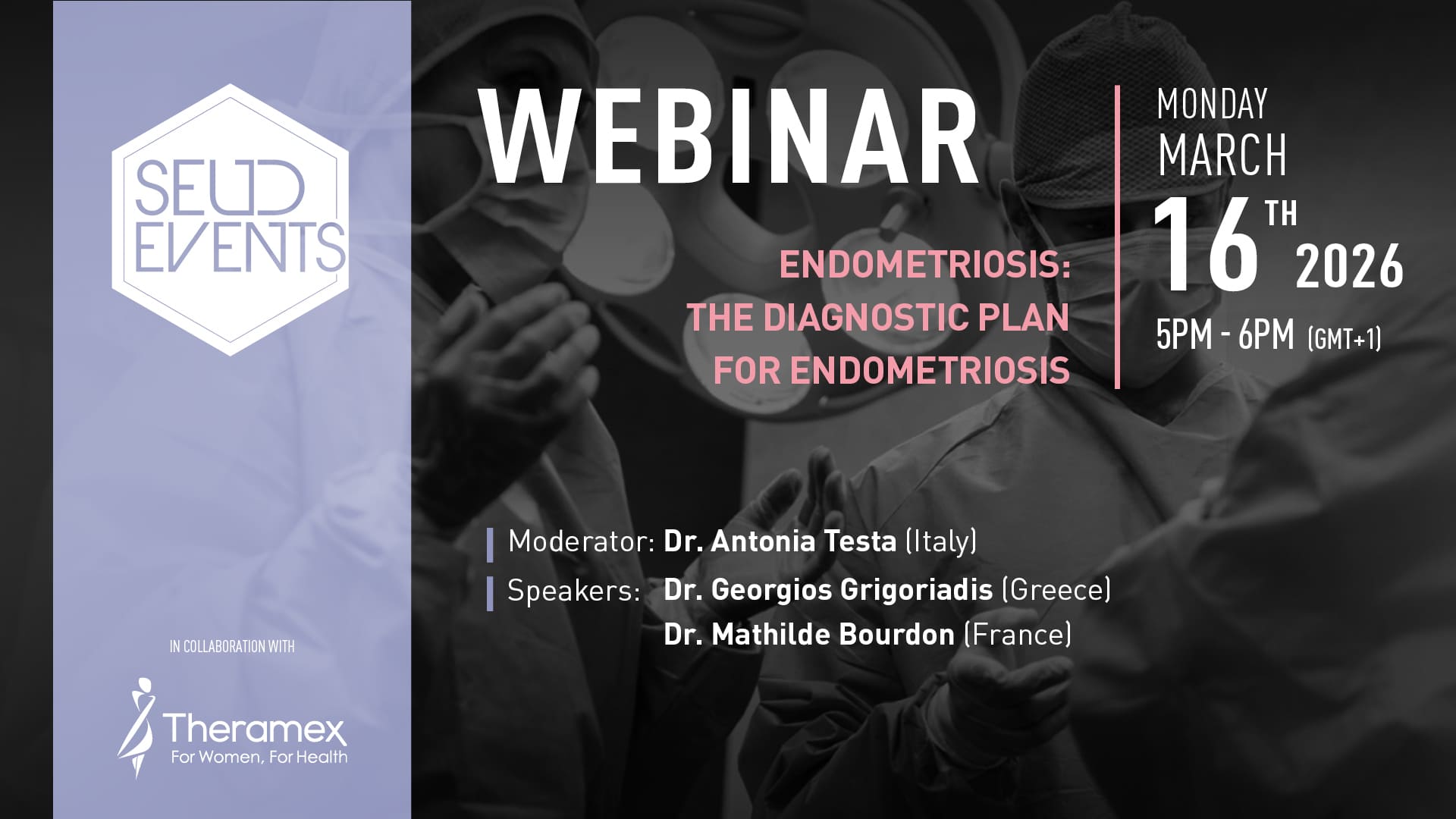
Dive into the complexities of diagnosing endometriosis in this third episode dedicated to building an effective diagnostic plan. With expert insights from Dr. Georgios Grigoriadis (Greece), who clarifies how to choose the most appropriate imaging techniques, and Dr. Mathilde Bourdon (France), who explores tailored approaches for patients facing infertility, this session offers practical guidance for everyday clinical decision‑making.
A focused and informative episode designed to support clinicians in optimizing the diagnostic journey for their patients.
Challenges and opportunities for improving endometriosis care
April, 2026
Discover the latest challenges and emerging opportunities in the improvement of endometriosis care in this fourth episode. Moderated by Dr. Sylvia Meschner (Germany), the session brings together leading experts to discuss two crucial aspects of modern management: Dr. Antonio Gargiulo (Italy) explores fertility‑sparing surgical strategies, while Prof. Christian Becker (UK) sheds light on promising new treatments shaping the future of patient care.
An insightful and forward‑looking episode designed to support clinicians in advancing outcomes for women living with endometriosis.